Evening seminar: Norway's work to secure genetic resources
Welcome to the evening seminar at Vitenparken , organized by the Friends of Science Park in collaboration with NIBIO.
- Wednesday, October 8, 2025 at 6:30 PM-10:00 PM
- Participation fee: NOK 100 (incl. light refreshments)
- Free for students at NMBU, members of the Friends of Science Park and the Norwegian Veterinary Historical Society.
- Send an email to elina@vitenparken.no for help with registration.
The purpose of the evening seminar is to highlight the importance of genetic resources, show what is being done in this field in Norway, and discuss the most important professional and political perspectives on the work and challenges for genetic resource management in the coming years. The seminar will have a particular focus on plant genetic resources.
The academic communities at Campus Ås have played – and continue to play – a crucial role in Norway's efforts to secure and use our genetic resources for future sustainable development. Their central role applies to both the conservation of national genetic resources and Norway's efforts internationally.
These professional communities took early initiatives for the conservation and effective management of national genetic resources in livestock, useful plants and forest trees. In 2006, the work was consolidated through the establishment of the Norwegian Genetic Resources Centre at the Ministry of Agriculture and Food. Today, the centre is a unit of NIBIO (Norwegian Institute for Bioeconomy) .
The Norwegian Genetic Resources Centre administers the national genetic resources management, monitors the status, and acts as a coordinator and professional resource for stakeholders and partners. In addition, the centre is an advisor to the Ministry of Agriculture and Food and follows up on the work in Nordic and international forums.
During the seminar, subject manager Linn Borgen Nilsen from the Norwegian Genetic Resources Center will start by explaining what genetic resources are, and what value they have – and can have – in the development of agriculture.
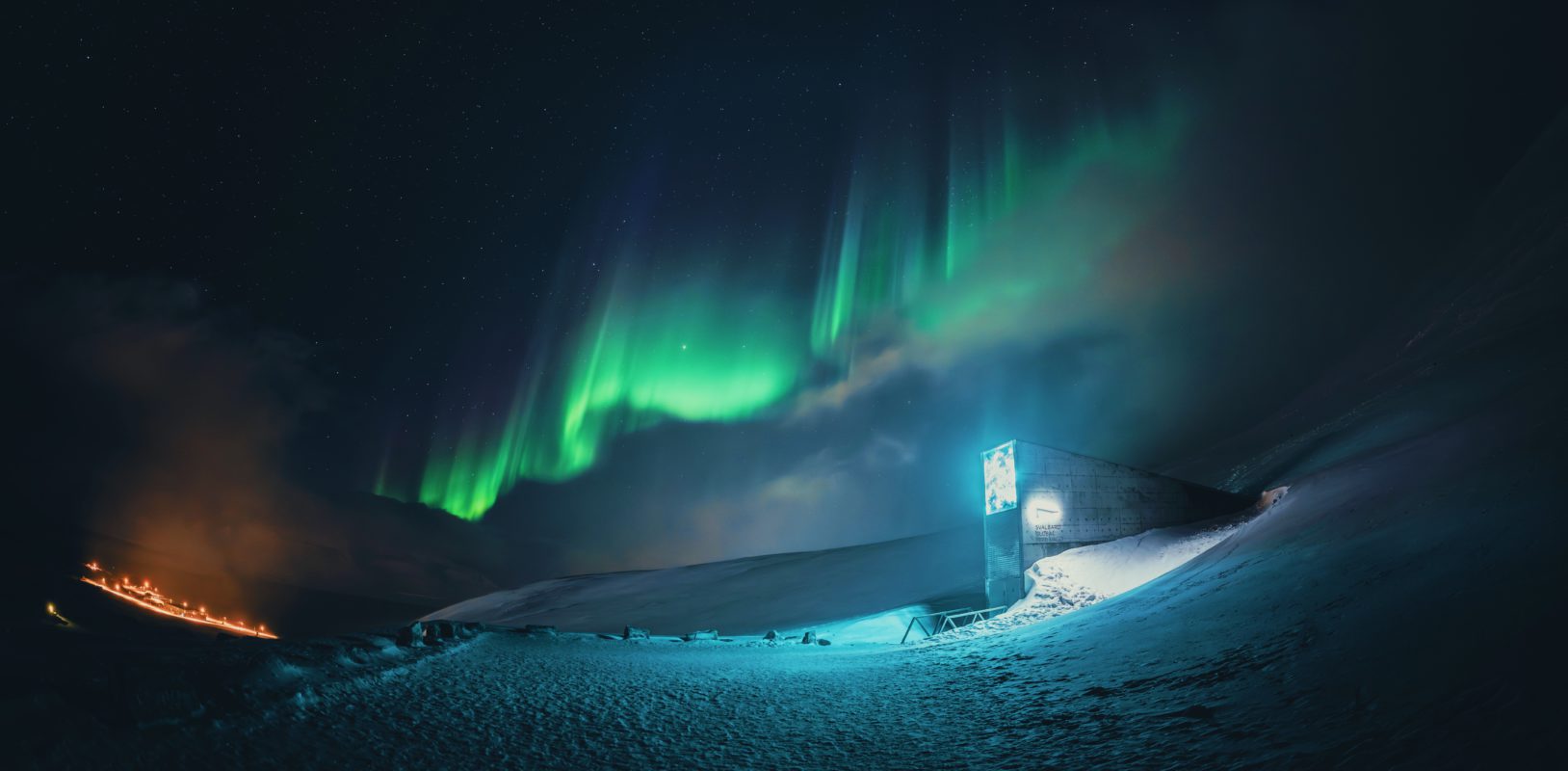
Next comes Åsmund Asdal , coordinator of the Svalbard Global Seed Vault, employed by NordGen . He has held this position since 2015, and previously worked (2001–2015) with the national program for plant genetic resources. He will present the history of the seed vault, the current situation and the way forward.
The Svalbard Global Seed Vault was opened in February 2008, after almost 20 years of focused preparation. The purpose of the seed vault is to act as a secure repository for seeds from gene banks around the world.
The Seed Vault is established and fully funded by the Norwegian state, with the Ministry of Agriculture and Food as the responsible body. The daily operation is carried out in collaboration with the Nordic Gene Resource Centre (NorGen) and the Global Crop Diversity Trust , and with guidance from an international council. The FAO and its Treaty on Plant Genetic Resources are important supporters. The Seed Vault currently stores around 1.3 million seed samples from more than 100 gene banks globally.
Seminar program | at 18.30–22.00
-
18.30: Mingling and simple dining
-
19.00: Opening of the seminar
-
19.05: Genetic resources – the key to diversification and development
by Linn Borgen Nilsen, Norwegian Genetic Resources Center (NIBIO) -
19.50: Questions and comments
-
20.10: Break
-
20.25: Svalbard Global Seed Vault – The history, where we stand today and the way forward
by Åsmund Asdal, NorGen -
21.10: Questions and comments
-
21.30: The connection between national and global genetic resource work
Short introductions by Linn Borgen Nilsen and Åsmund Asdal, followed by selected contributions -
21.55: Closing
-
22.00: Seminar ends
Explore the website about the history of life sciences at Campus Ås – developed by the Friends of the Science Park and their partners: Livsvitenskapshistorie.no
Large amounts of historical material in the life sciences are currently inaccessible to the general public. Through the collection and digitization of archives from agricultural and veterinary history, we work to preserve this knowledge for the future.