Vitensenterforeningen og Lær Kidsa Koding får 19,95 mill. NOK fra Sparebankstiftelsen DNB til å utstyre landets grunnskoler med klassesett egnet for programmeringsforståelse. I tillegg skal utstyret gjøres tilgjengelig for barn og unge på fritiden via Lær Kidsa Koding sine 160 kodeklubber spredt landet rundt.
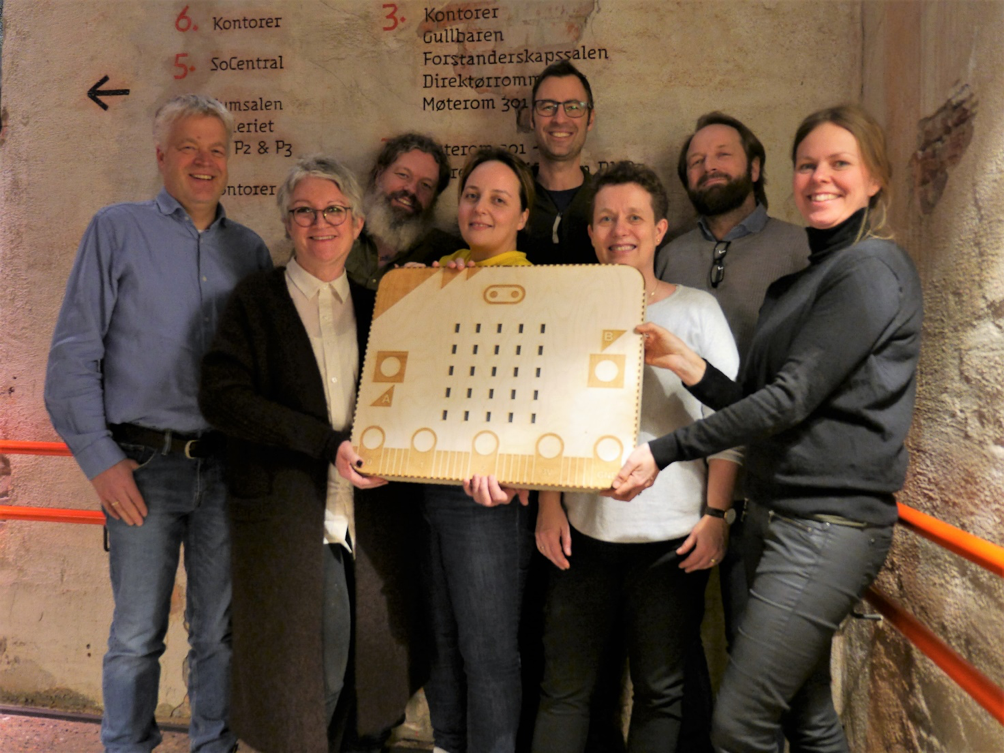
En veldig forstørret modell av micro:bit holdes frem av en glad gjeng. Fra høyre mot venstre: Eva Grothe gaverådgiver Sparebankstiftelsen DNB, Arnfinn S. Rokne styremedlem Vitensenterforeningen, Tove Marienborg Leder Vitensenterforeningen, Jon Haavie initiativtaker Oslo Vitensenter, Herdis Moldøen prosjektleder Lær Kidsa Koding!, Torgeir Waterhouse direktør for Internett og nye medier i IKT-Norge, Sissel Karlsen gavesjef Sparebankstiftelsen DNB og Geir Endregard styremedlem Vitensenterforeningen og prosjektleder for prosjekt generasjon micro:bit.
Klassesett til alle skoler
Utdelingen av utstyret vil skje i forbindelse med at de regionale vitensentrene skal gjennomføre opplæring av elever ved alle landets grunnskoler. Dette vil skje over de neste fire årene, som ledd i regjeringens teknologiske skolesekk. Programmet vil nå over 100.000 elever i 5.-7. trinn, og de regionale vitensentrene utfører dette på oppdrag for Utdanningsdirektoratet. Med bevilgningen fra Sparebankstiftelsen DNB vil hver skole nå få et varig klassesett til eget bruk. Opplæringsprogrammet tilbyr også lærerkurs og støttemateriell fritt tilgjengelig på nett slik at alt ligger til rette for god og tverrfaglig bruk i mange år.
– Dette vil gi et skikkelig løft for at grunnskolene skal kunne jobbe aktivt med programmeringsforståelse, sier Geir Endregard, direktør på vitensenteret INSPIRIA og ansvarlig for prosjektet på vegne av landets regionale vitensentre. Barn og unge i Norge vil med dette prosjektet få et felles verktøy (micro:bit) som vil bidra til å styrker koblingen mellom flere læringsarenaer som vitensenter, skole og fritid. Denne unike koblingen mellom formell og uformell læring har vi stor tro på, understreker han.
– Det finnes mange gode prosjekter som vil bidra til å styrke kompetansen i skolen når programmering skal inngå i de nye lærerplanene fra 2020, fremhever Endregard. – Det som trengs er et stort nasjonalt fellesprosjekt som tar programmeringen ut av skjermen og gir alle skolene samme kvalitetssikrede tilbud på tvers av kjønn, geografi, sosial bakgrunn, teknologisk kompetanse og kommuneøkonomi.
– Utrolig flott og viktig, istemmer direktør for Internett og nye medier i IKT-Norge, Torgeir Waterhouse. – Norske skoler trenger egnet utstyr og kodeklubbene landet rundt forsterker initiativet og spredning av kunnskap. Lær Kidsa Koding har jobbet for dette i flere år, og er veldig fornøyd med at felles mål med Vitensenterforeningen og deres innsats nå gjør dette mulig.
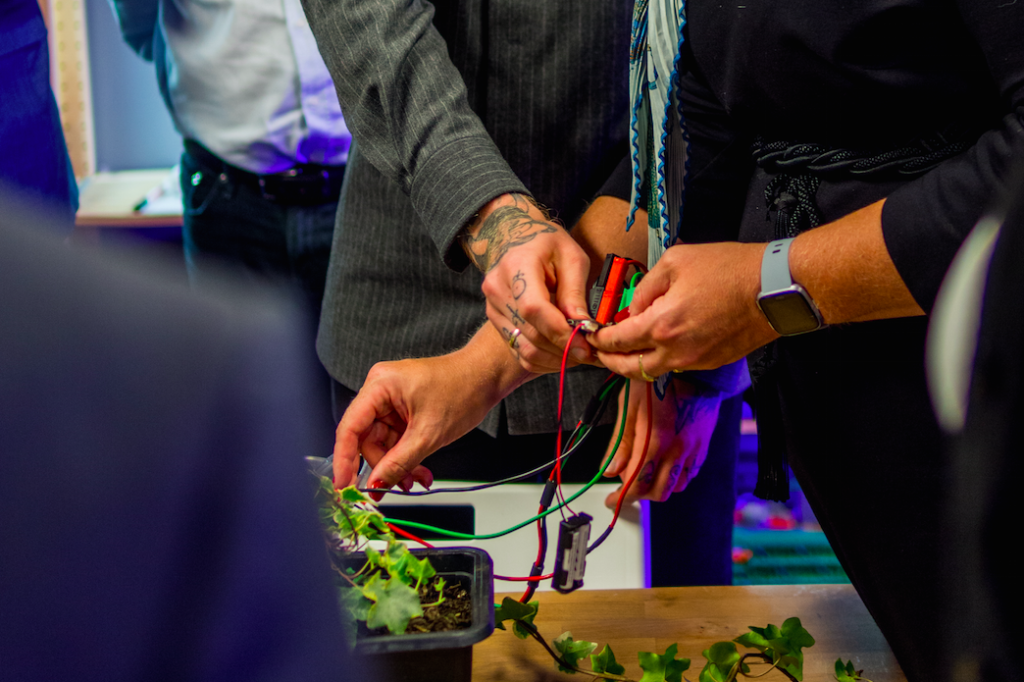
Foto: Vitenparken Campus Ås
Bruker norsk teknologi
Et tilleggspoeng med valg av dette utstyret er at det bygger på norsk utviklet teknologi. Det er det norske selskapet Nordic semiconductors som har laget prosessoren og all kommunikasjon micro:bit bruker. Vitensentrene og Lær Kids Koding! ønsker i gjennom prosjektet også å vise elevene at det er mulig for norske firmaer å bli verdensledende innen teknologi og programmering, og at de trenger dyktige ansatte i fremtiden.
I tillegg til skolesettene, utrustes Lær Kidsa Koding sine 160 kodeklubber med samme type utstyr. Det betyr at barn kan fortsette å lære og fordype seg på fritiden og ta kunnskap med seg tilbake til skolen og inspirere både lærere og medelever. Vitensenterforeningen og Lær Kidsa Koding vil også i prosjektet utveksle erfaringer og lære av hverandre hvordan man kan skape best mulige opplevelser og positiv stimulanse til barn i forskjellig alder.
– Alle vi som jobber med barn og teknologi kan stadig bli bedre – Vi er mange som gleder oss over signalene om at teknologi blir mer framtredende i de nye læreplanene, og at barna nå skal lære grunnleggende programmering og ta i bruk programmering i fagene, sier Waterhouse – Regjeringens satsning med den teknologiske skolesekken er viktig, og med støtten fra Sparebankstiftelsen DNB kan vi nå ta dette et stort steg videre, understreker han.
Hands-on aktiviteter
Opplæringsprogrammet for skolene vil enten skje på et av de regionale vitensentrene eller ved at et av sentrene besøker skolene. Programmet vil bruke micro:bit og bit:bot til blant annet å la elevene bygge en bil og styre denne ved hjelp av programmering rundt i en planskisse av en «smart by». Elevene må løse forskjellige oppgaver ved programmering og bygging av små tekniske løsninger. Alt er tilpasset de nye læreplanene og ønsket om større forståelse for teknologi og programmering, og hvordan det påvirker samfunnet. Programmet utvikles, testes og rulles ut høsten 2019, og videreutvikles fortløpende basert på erfaringene på skolene.
– Dette er et kjempeflott tiltak, sier gavesjef Sissel Karlsen i Sparebankstiftelsens DNB. “Generasjon micro:bit” er et nasjonal koordinert prosjekt over tre år som erfaring fra utlandet tilsier vil ha stor effekt på barn og unges digitale skaperkraft, deres lærere og fremtidens skole. Vi vet at Vitensentrene og Lær Kidsa Koding er seriøse aktører og gleder oss til å følge prosjektet, avslutter Karlsen.
Foto: Vitenparken Campus Ås
Lære Kidsa Koding
Lær Kidsa Koding! er en frivillig bevegelse som arbeider for at barn og unge skal lære å forstå og beherske sin egen rolle i det digitale samfunnet. LKK vil hjelpe de unge til å ikke bare bli brukere, men også skapere med teknologien som verktøy. I tillegg til å øke den allmenne forståelsen av informasjonsteknologi, ønsker LKK å bidra til rekrutteringen til IT-yrkene og realfagene. En viktig del av vår virksomhet er å arbeide for at alle unge i skolealder får mulighet til å lære programmering og bli kjent med informatikk som fag. Det er i dag ca. 160 kodeklubber i Norge drevet av frivillige på fritiden.
10 regionale vitensentre
Det er 10 regionale vitensentre i Norge:
- Du Verden (Porsgrunn)
- INSPIRIA Science center (Sarpsborg)
- Jærmuseet (Sandnes og Nærbø)
- Nordnorsk vitensenter (Tromsø og Alta)
- Oslo Vitensenter (Norsk Teknisk Museum)
- VilVite (Bergen)
- Vitenparken (Campus Ås)
- Vitensenteret Innlandet (Gjøvik)
- Vitensenteret Sørlandet (Arendal og Kristiansand)
- Vitensenteret i Trondheim (Trondheim)
Disse 10 har samlet fått i oppdrag fra regjeringen å gjennomføre et undervisningsopplegg for å øke programmeringsforståelsen i 5.-7. trinn, som del av den teknologiske skolesekken. Opplegget skal nå over 100.000 barn de neste fire årene. Prosjektet ledes av INSPIRIA.
Aktuelle nettressurser
- vitensenter.no
- kidsakoder.no
- sparebankstiftelsen.no
- udir.no/kvalitet-og-kompetanse/nasjonale-satsinger/den-teknologiske-skolesekken
For mer informasjon, kontakt:
Geir Endregard, administrerende direktør ved Inspiria, tlf: 958 46 220
Torgeir Waterhouse, direktør for Internett og nye medier i IKT-Norge, tlf: 416 12 096
Sissel Karlsen, Gavesjef Sparebankstiftelsen DNB, tlf: 900 65 200