Proteins are the building blocks of the body, and are vital for both livestock and humans. Proteins are composed of amino acids, and nine of these are essential. This means that we cannot make them in our bodies ourselves, but must get them through our diet. We get proteins when we eat animals or plants. It is important for our own health and for the ecosystems we depend on that we increase the proportion of plant proteins in our diet. This post was first published on the blog of our partner, the Kore Foundation, and examines some of the current research on plant proteins. It is becoming increasingly clear that we need to get a higher proportion of our proteins from plants. Both for the sake of our own health and because it is more sustainable in terms of nature's resources.
Can you imagine the food of the future? Norwegian researchers are working to find out how we can both produce more plant proteins in the country and at the same time ensure that more and more people use Norwegian plant proteins in their everyday diet. How? You can experience it at Vitenparken in October. Buy your ticket here .
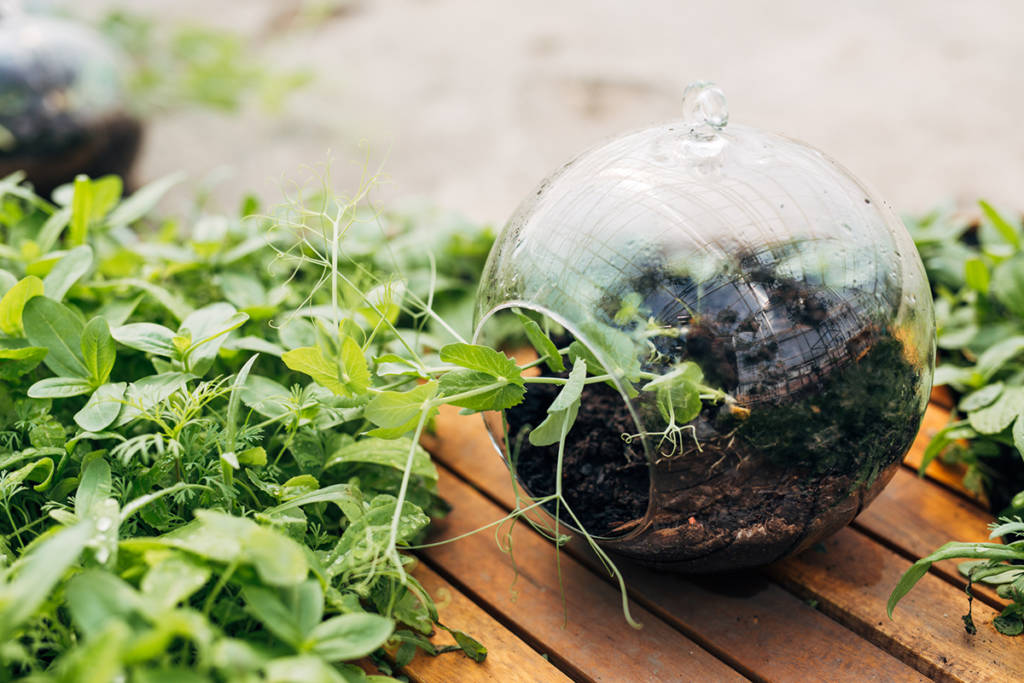
Protein-rich plants are an important part of the path towards a sustainable diet of the future. They can contribute to a reduced environmental footprint and improved health for the population. Protein-rich legumes also fix nitrogen in the soil. Photo: Vitenparken .
The building blocks of the body
Norwegian research project on plant proteins
The researchers in the FoodProFuture project are investigating and developing optimal production and utilization of Norwegian protein-rich crops. So that they can form the raw materials in good, healthy and attractive plant-based foods with a high protein content. The researchers are looking at plants that can be grown in Norway, including legumes and oats. They are developing protein-rich products based on plants and investigating the environmental consequences of the entire food system from primary production to consumer for these products. The research project is also investigating attitudes towards plant-based products among consumers to see what challenges this presents for the food industry. See, for example, this article about Norwegians' attitudes towards changing their diet to a more plant-based diet. Read more about the FoodProFuture research project.
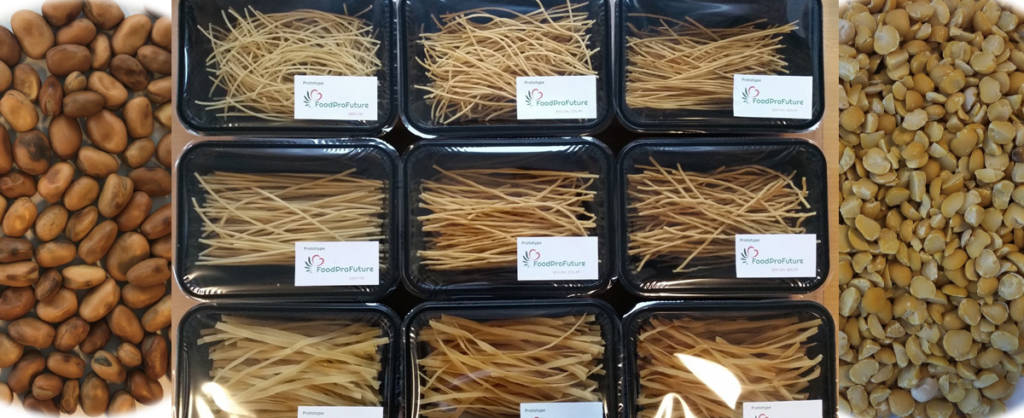
The demand for products rich in plant protein is increasing. FoodProFuture will ensure that these products can be produced in Norway. Photo: Nofima/FoodProFuture.
Eat the Future
In collaboration between the research project FoodProFuture and Vitenparken Campus Ås, two events will be held in October 2019 where the public can explore the future production and consumption of Norwegian plant proteins for themselves. On Tuesday, October 29, 2019, businesses and partners in the Norwegian food system are invited to a workshop to test prototypes and future scenarios for the production and consumption of Norwegian plant proteins. On Wednesday, October 30, 2019, the public will have the opportunity to experience an experimental food event with different future scenarios involving Norwegian plant proteins. The events are a repeat of a packed Eat the Future in November 2018 at Vitenparken , where over 60 participants made their way through four future scenarios, flavored by the chef at Vitenparken Café, Hafsteinn Snæland.
On Wednesday, October 30, 2019, the public will have the opportunity to experience an experimental food event with various future scenarios involving Norwegian plant proteins. Photo: Rustic Vegan/Unsplash.com.
Find the research
The Koredatabase collects and systematizes both Norwegian and international research on plant proteins .
Here is a small excerpt of what you will find in the database:
- Both the concentrate industry and consumers are demanding more Norwegian protein crops.
You can read about variety trials on peas and field beans . - The researchers have also examined the plant protein trend in Norway from a market perspective.
Read more about the market for processed plant-based food products . - In Denmark, researchers at AgroTech have been researching the beans and peas of the past as the protein supplements of the future .
- Researchers are also looking at legumes and algae as alternative protein sources for sheep.
See the plant proteins category in the Koredatabase for more research. You can also view all the categories in the database.