Climate scientists say we will have a warmer and wilder climate. We will have warmer summers and longer growing seasons, in some places longer periods of drought and in other places periods of more rain. A longer growing season can lead to increased yields for some productions, provided that we have varieties that can take advantage of the long summer. On the other hand, perennial plants that are adapted to a cold but stable winter may have problems with a short and unstable dormancy period.
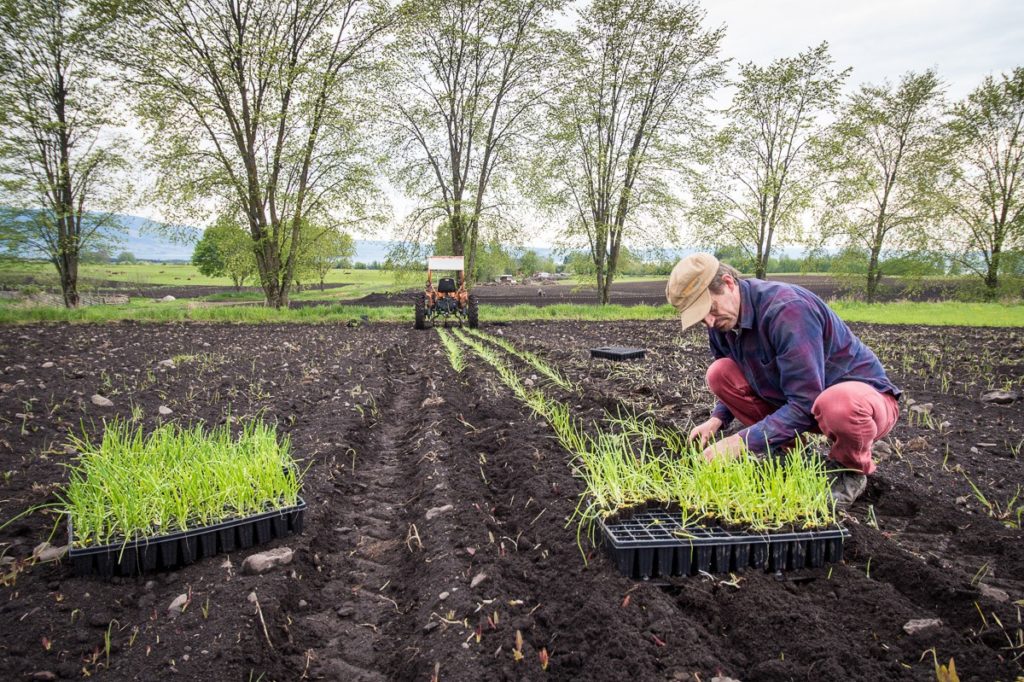
Photo: Norwegian Gene Bank/solhatt.no
We need fresh plants
Warmer and wetter climates will likely introduce new plant diseases, and we will need new resistant varieties. It is likely that for some crops we can use varieties developed for other, warmer climates, while for some species that are adapted to our long day lengths, varieties adapted to this will be necessary.
Plant breeding takes time
Genetic variation in useful plants is the basis for plant breeding, and it is farmers' selection of particularly suitable plants over thousands of years that has given us the cultivated plants we grow today. In modern times, new and effective methods of plant breeding have been used, giving us varieties with completely different characteristics than those we grew 100 or 1000 years ago.
It is important to maintain Norwegian plant breeding and it is important to have preserved genetic diversity from which researchers and plant breeders can obtain genetic material.
Sources
Norwegian Genetic Resource Center – https://www.nibio.no/tema/mat/plantegenetiske-ressurser/gångstørring-av-plantesorter-og-planteforedling