Genetic diversity for food and agriculture includes all genetic resources, including wild relatives of plants. We do not know today exactly which genetic resources may be useful in the future. Therefore, there is a need for a rich reservoir. Genetic resources can be lost if they become extinct or are not used. In the last couple of decades, genetic resources from wild flora have received greater attention. Norwegian flora also contains plant species and genetic resources that may be valuable for food and agricultural production.
Robust crops
Wild plants act as a large reservoir of genetic material that it is important to preserve in nature, partly because the genes there are allowed to evolve and adapt to changes in climate and other growing conditions. They can help give food plants resistance to pests and diseases, increased tolerance to drought stress, for example, increased yield and better quality.
An example of how wild relatives are useful came when a virus ravaged rice crops in Asia in the 1970s. The virus is called grassy stunt virus (GSV). None of the rice varieties people grew were resistant to the virus, and many lost their entire crops. Of the 6,723 different types of wild and cultivated rice, only one species was resistant to the virus, the wild rice relative Oryza nivara . The researchers crossed it with other rice varieties and succeeded in creating rice varieties that are not affected by the virus. This would not have been possible if Oryza nivara had not been both protected in its wild environment and known to scientists as a relative of cultivated rice.
Grasses and legumes
We have large resources within fodder plants such as grasses and legumes , most of which originate from wild flora. They are of great importance for livestock farming and thus food production in countries where a much larger area is available for grazing and mowing than is available for producing grain and vegetables . Norway has a varied nature and climate, and therefore has quite large genetic variations and adaptations within common species.

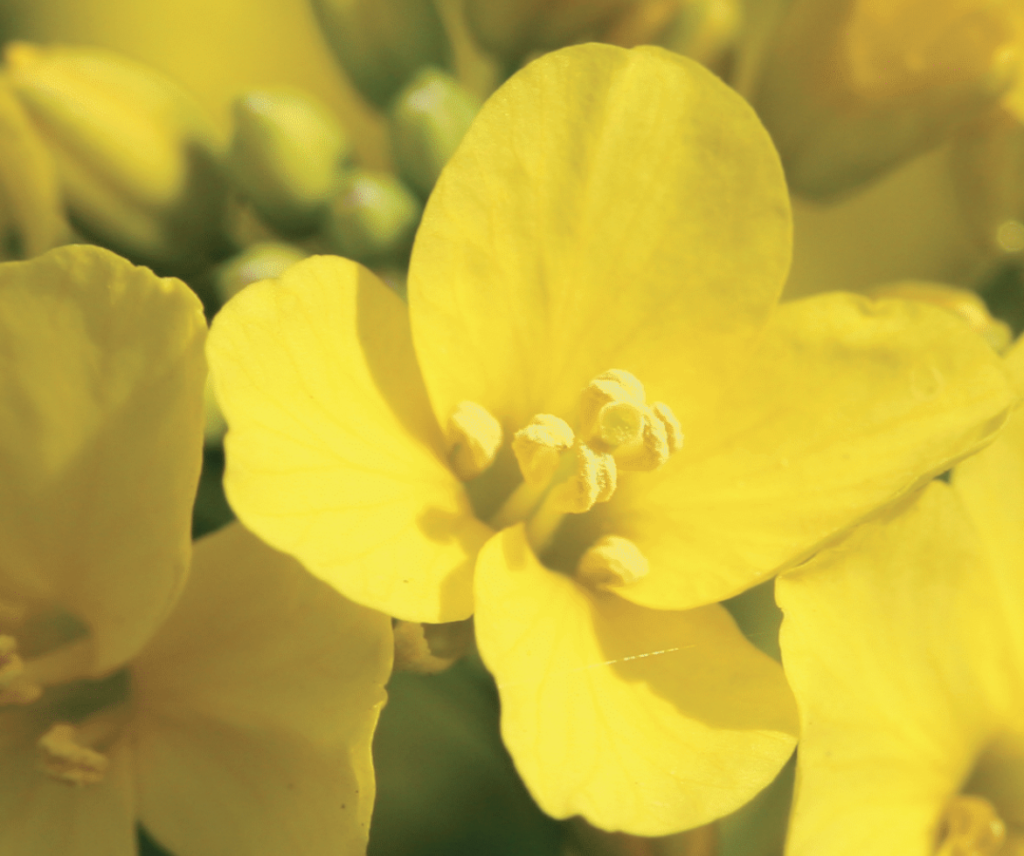
Head cabbage and its wild relative. Photo of head cabbage: Solhatt.no.
Examples of Norwegian wild plants
However, most of our cultivated and economically important food plants originate from other regions, and so far genes from our flora have been little used for improving varieties. Examples of Norwegian wild plants that can be used as gene reservoirs for cultivated plants include wild onion, wild carrot, beach cabbage, beach beet and chicory.
Crop Wild Relatives
Norway has supported a large, 10-year project that addresses how agriculture can adapt to climate change, with a focus on collecting and protecting the wild relatives of food plants. The Crop Trust and Kew Botanical Gardens in London have the main responsibility for the project, and they have entered into various collaborations and partnerships with gene banks and plant breeding projects around the world. The project has four main areas, 1) analyzing which plants have little known wild relatives and prioritizing these, 2) collecting seeds of wild relatives, 3) preserving the seeds in various gene banks and 4) using them in pre-breeding to prepare them for use. The project focuses on 29 different crops, and the project has partners in 32 countries around the world.
Resources
- Film about the importance of wild relatives https://www.cwrdiversity.org/about/why-are-cwr-important/
Sources
- Ministry of Agriculture and Food: Gene pools provide opportunities and preparedness for future agriculture
- NIBIO: Value of plant genetic resources from wild flora as an ecosystem service
- Crop Wild Relatives https://www.cwrdiversity.org/