The genetic diversity of plants is a necessary and valuable resource that it is important to preserve and utilize in a sustainable way. The genetic variation in natural plant species has made it possible to develop today's useful plants and crops, and has therefore been the very basis for the development of our entire civilization. The use of this diversity for the continuous adaptation of cultivated plants is the basis for maintaining sustainable agriculture, so that we can produce healthy food and enough food for everyone.
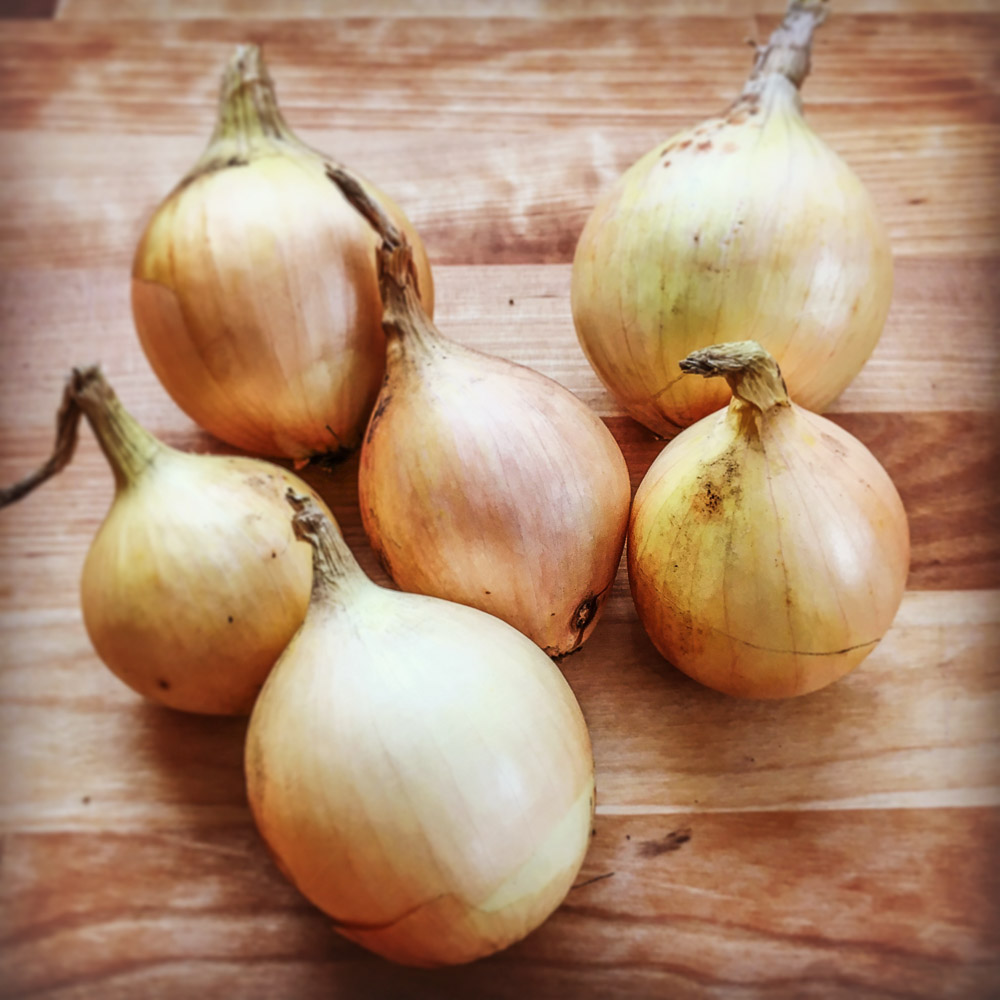
Kepa onion Laskala. Photo: solhatt.no.
Food and agricultural production
Norwegian plant genetic resources cover all crops that can be used in food and agricultural production. In the national program, plant genetic resources are defined as including variation within and between plant species that have a current or potential social or economic value (cf. the English expression "socio-economic value"). All material must be of Norwegian origin or of Norwegian relevance.
This defines Norwegian plant genetic resources
- Useful crops with an area of origin in Norway, e.g. wild grasses, berries, spice and medicinal plants, adapted to the Norwegian climate and with a history of use in Norway.
- Wild relatives of cultivated plants (Crop Wild Relatives) that may have genetic material of value for future breeding of new plant varieties.
- Stem forms of cultivated plants originating in Norway.
- Old landraces and landraces arose through maintenance and development among farmers in pre-industrial agriculture.
- Old varieties from early plant breeding for Norwegian conditions and varieties from professional plant breeding, either from Norwegian plant breeding or from breeding aimed at the Norwegian market.
- Newer varieties bred in or adapted to Norway, which are no longer listed or marketed in the country. Plant material with particularly important genetics for climate adaptation and adaptation to Norwegian growing conditions, and which are not in active use.
- Introduced plants that, without active breeding efforts, have adapted to Norwegian growing conditions so that they are unique and valuable to Norway.
- Variants of useful plants that have arisen after individuals have discovered, propagated and taken care of random crosses or mutations, and which are at the same time unique and valuable to Norway.
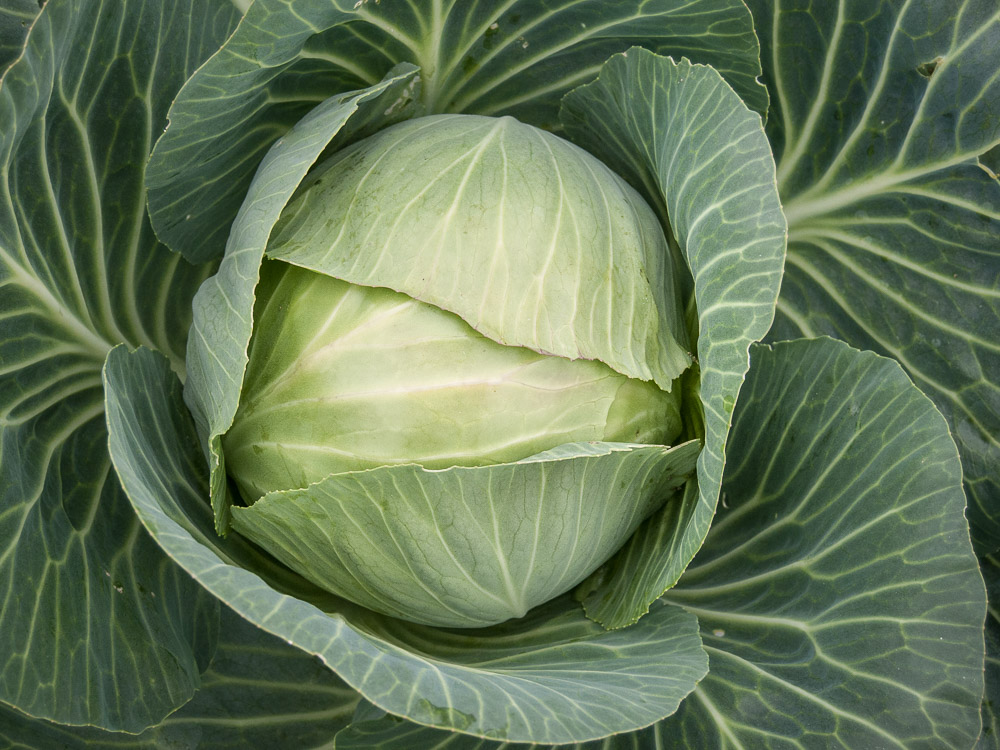
The cabbage Kvislar. Photo: Solhatt.no.
Norwegian heritage varieties
Vegetable seeds have been bred in Norway for centuries. Before 1800, farmers around the world used seeds that they had either produced themselves or exchanged with their neighbors. At the beginning of the 19th century, the first seed shops were established, and towards the end of the 19th century, Norwegian farmers increasingly began to use foreign vegetable varieties, including from the Netherlands and England. However, when World War I broke out in 1914, all seed imports came to an end. To maintain the seed supply, the state appointed a seed breeding committee, and with financial support from the state, Norwegian seed breeding quickly gained considerable scale. In the 1920s, Norwegian seed breeding had its heyday. In 1921, for example, 15,000 kg of turnip seeds and 17,000 kg of pea seeds were bred, which was enough to cover Norway's needs. At this time, seed of sweet peas was even exported to Denmark. Much of the old Norwegian variety material dates from this period. But today there is no variety development and almost no seed breeding in Norway. Graminor conducts variety development within cereals and potatoes, meadow crops, fruits and berries, but not vegetables. They also do not work with heritage varieties within cereals. The closure of the Seed Center in Hellerud in the early 2000s practically meant the end of variety development within vegetables. Apart from seeds of turnips and swedes, there is almost no Norwegian-produced vegetable seed on the market today. Most vegetable seeds, including those packaged for the hobby market, come from abroad.
Seed production of vegetables
The Nordic gene bank NordGen preserves approximately 250 varieties of vegetables and herbs originating from Norway. However, these varieties are only available in limited quantities. Solhatt organic horticulture started seed breeding of vegetables in 2012, and focuses on older Norwegian varieties of vegetables that have not been available for many years.
Sources
- Norwegian Genetic Resource Center: Plant Genetic Resources
- Norwegian Genetic Resources Center: Norwegian plant genetic resources
- Norwegian Genetic Resource Center: Plant varieties and useful plants
- Solhatt organic horticulture: New initiative sprouts in Norwegian vegetable seed breeding
- Graminor: http://www.graminor.no/