After the Single Use (2024 – 2029) 

Rethinking medical devices for reuse, renewal and resilience


About

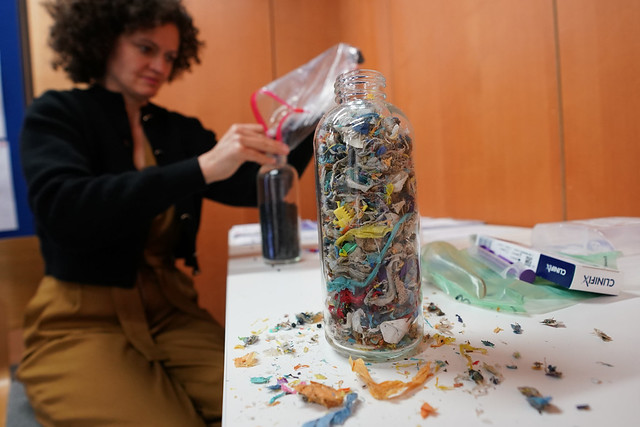
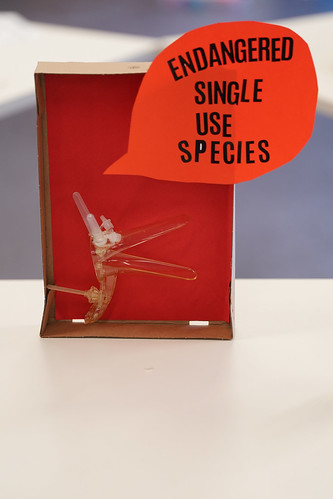
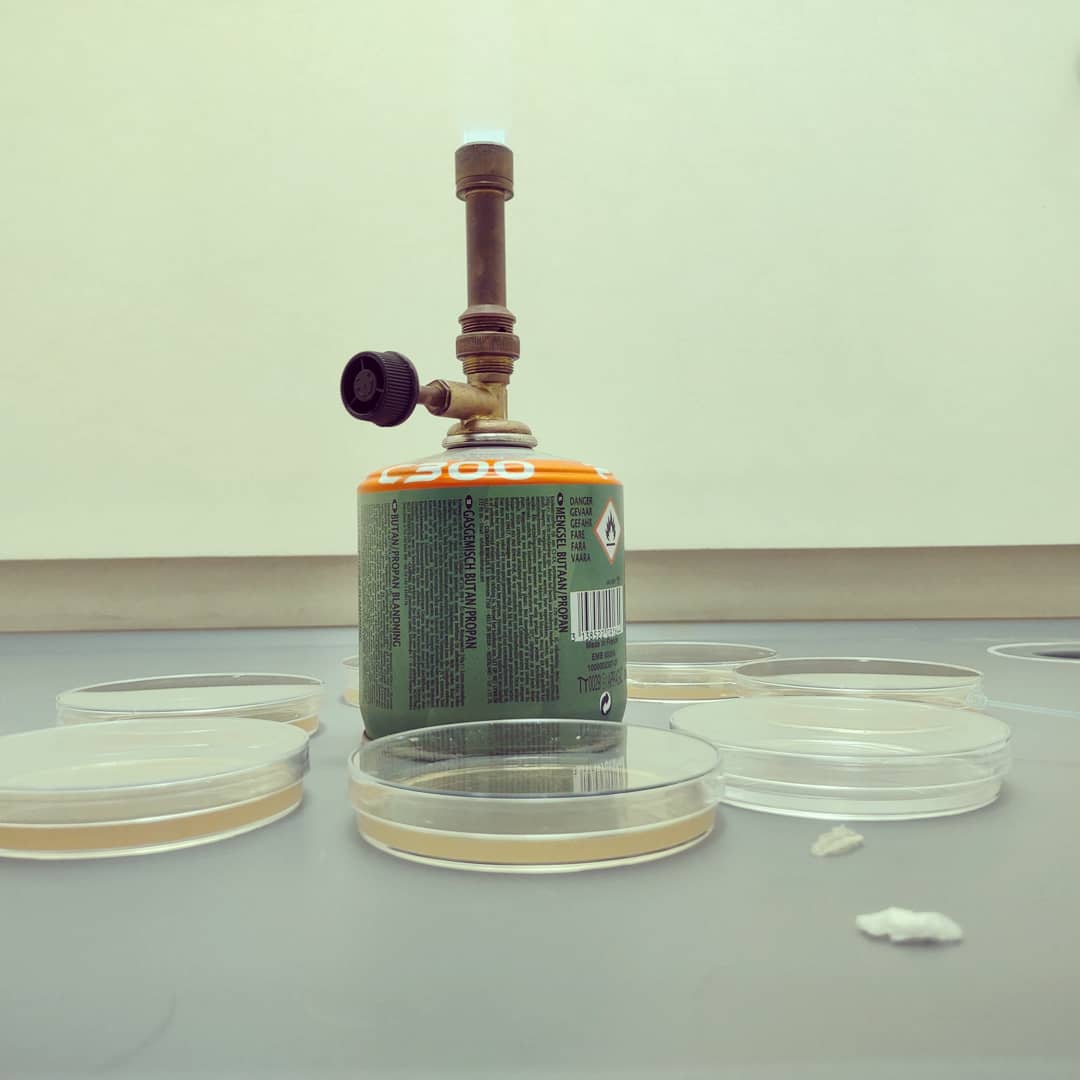
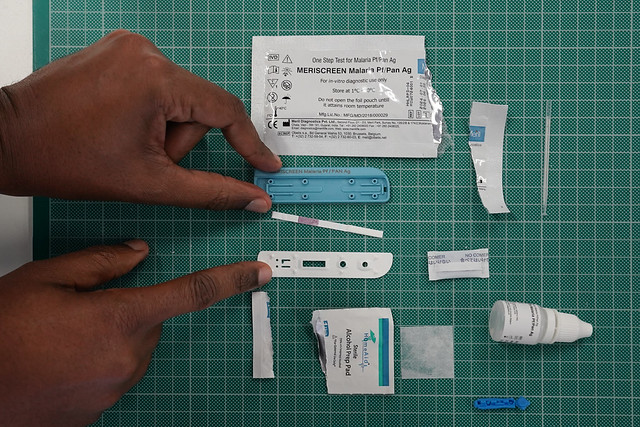
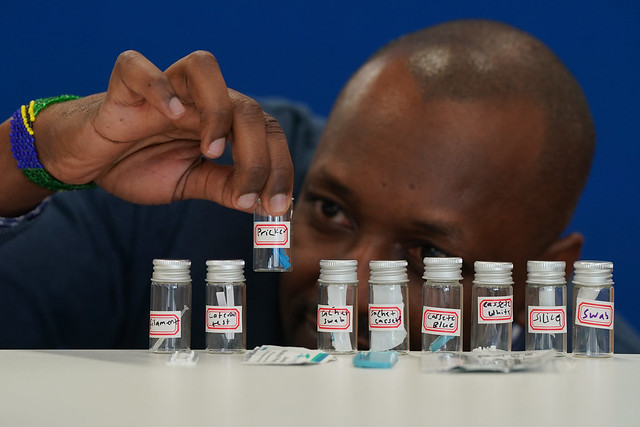
If the world’s healthcare sector were a country, it would rank 5th among nations in terms of its carbon footprint. A staggering portion of these emissions derive from the manufacture, transportation and incineration of single-use plastic products, such as surgical drapes, syringes, or diagnostic devices that are designed for disposability. In the relatively short period of time since single-use medical products were introduced, we have naturalized their use.

After the Single Use; a bold ethnographic, historical and art cooperative across eight nations asks: how did we get here, and what would it take to return (or transform) health care to a circular economy of reuse instead of a linear economy of waste and discard?

Drawing together scholars and methods from history, anthropology, art research and public health, we examine the historical local and global contingencies that have brought us to the present moment of crisis in medical waste, analyse the circulations and lifecycles of single-use medical technologies designed for disposal in landfill and incinerators, and establish collaborations with policy-makers, activists and engineers/designers to build circular healthcare solutions. Our goal is to establish a new field of critical humanities, art and social science research on medical waste and circular healthcare economies.

NOBA will plan and coordinate 8 artist-in-residency programs taking place across locations and research sites, as well as hosting a virtual exhibition portraying and discussing artistic artworks created as part of the residencies taking place across the world.

After the Single Use is generously supported by Wellcome Trust.


Objectives 

Contingencies. How and why have norms and infrastructures of disposability become embedded in healthcare systems globally, what social, economic, political and legal factors shaped this historical trajectory in different places and what examples exist of alternative paths not taken?

Circulations. Through what channels are disposable medical technologies produced, transported, consumed, and discarded, how do they map on local, regional, and global scales, and what relations between persons, places and things do they foster?

Impacts. How might historical, ethnographic, design informatics and artistic approaches help us to visualise the harms as well as the putative benefits of disposable medical technologies over their lifecycles, with attention to their selective impacts within gradients of race, class, ethnicity, and social vulnerability?

Solutions. How, when, and where has the shift from reusable to disposable medical technology been resisted, and what creative technical and social arrangements, innovative practical solutions, and challenges to present healthcare conventions might offer sustainable alternatives to disposable medicine?


NOBAs works packages 

WP 1: Artist in residence program planning and preparation

WP 2: Artist in residence program management and coordination

WP3: Artist in residence dissemination

WP4: Artist in residence project management and coordination


Research Units

Research programs at each site will be connected through shared research questions, methods and theoretical framework. These connections will be reinforced through cross-site co-mentoring arrangements for each project.


Geneva 

  • Making disposable 1: (Strasser) Development and regulation of single use medical technologies at World Health Organization.
  • Making disposable 2: (RA/PhD) Development and regulation of single-use medical technologies in medical marketplace/assembly of multisite digital industry documents repository.Baltimore 
  • Making disposable 3: (Greene) Development and regulation of single-use medical technologies at US Food and Drug Administration.
  • Locating waste 1: (RA/PhD Gadson) History and ethnography of community experiences, knowledge and advocacy related to healthcare waste management in Curtis Bay, Baltimore, home to the USA’s largest privately-held medical waste incinerator.


Dakar

  • Making disposable 4: (RA/PhD) History and ethnography of single-use medical technologies related to rural management of healthcare waste in Senegal, focusing on epidemic waste.
  • Locating waste 2: (PDRA) History and ethnography of hospital-centred urban waste management in Dakar, focusing on formal/informal waste-economies.


Hyderabad 

  • Making disposable 5: (PDRA) Development and regulation of disposable medical technologies in domestic/export industry in India.
  • Locating waste 3: (PDRA) History and ethnography of hospital-centred urban waste management in Hyderabad, focusing on public/private hospital-waste economies.
  • Rethinking reuse 1: (RA/PhD) History and ethnography of community experiences, knowledge and advocacy related to healthcare waste management in a rural tribal district in Telangana State.

Oslo 

  • Making disposable 6: (Kveim Lie/RA) History and ethnography of hospital-centred urban waste management in Oslo.
  • Locating waste 4: (Sæter/NOBA) Art-research collaborations and their contributions to understandings of disposability and healthcare systems in comparative perspective.
  • Rethinking reuse 2: (PDRA) History and ethnography of community-based experience, knowledge and advocacy around healthcare waste in indigenous Sámi arctic lands.


Dar-es-Salaam

  • Making disposable 7: (Mangesho/PDRA) History and ethnography of single-use medical technologies in Tanzania’s global health research and clinical trial industry.
  • Locating waste 5: (PDRA) History and ethnography of hospital-centred urban waste management in Dar es Salaam focused on research waste.
  • Rethinking reuse 3: (RA) History and ethnography of community-based experience, knowledge and advocacy around rural healthcare waste management focusing on clinical trial sites.


Sydney /
Goroka

  • Making disposable 8: (PDRA Newland) History of medical device innovation and regulation in PNG, focusing on vertical disease programmes.
  • Locating waste 6: (Hanku-Kelly/Newland) Ethnography and policy
  • engagement around the role of donor networks in medical disposability and reuse in PNG.
  • Rethinking reuse 4: (RA/PhD/PNGIMR) History and ethnography of
  • community-based experience, knowledge and advocacy around rural diagnostic waste management.


Edinburgh 

  • Locating waste 7: (Street/ Earth Fellows/HCWH): Development and use of open-access digital audit tool for healthcare waste from single-use plastics.
  • Rethinking reuse 5: (PDRA/HCWH) Ethnography and policy engagement around international advocacy for sustainable healthcare.
  • Rethinking reuse 6: (Street) History and ethnography of medical device innovation and regulation in UK, India and Senegal, focusing on sustainable innovation.
  • Rethinking reuse 7: (RA/PhD) History and ethnography of hospital-centred urban waste management in Scotland, focusing on circular healthcare solutions.

    Contact at Vitenparken / NOBA

    Project manager
    Rebekka Sæther, rebekka@vitenparken.no

    Media and communications
    Elina Gobeti, elina@vitenparken.no
Anthopogenic Soils: Recuperating Human-Soil Relationships on a Troubled Planet (2022-2028)

Norwegian BioArt Arena, Vitenparken´s art department,  is an artistic partner in the long term research project Anthropogenic Soils.  Through the project we seek to explore the kinds of lively encounters and caring interactions that can take place among artists, scientists, soils and audiences. Norwegian BioArt Arena´s part in the projec is work package five: WP5  -Experimental Soils.

– How do we know, experience, and imagine soils in the Anthropocene?
– How can practices of soil care help us better understand and value the life beneath our feet?
– How do people across the planet recover unsustainable human-soil relationships?

People involved in the work package: 

Project leader for WP5: Nora S. Vaage, Norwegian BioArt Arena – NOBA
Curator: Eli Skatvedt
Invited artists in residence: Annike Flo and Cecilia Jonsson
Coordinator: Elisa Malik, elise@vitenparken.no
Marketing and communications: Elina Gobeti, elina@vitenparken.no
The Anthropogenic Soils project is funded by the Norwegian Research Council, Large scale Interdisciplinary Researcher Project. Project number 325635.

Anthropogenic Soils: Recuperating Human-Soil Relationships on a Troubled Planet  (2022-2028) is a six-year, multidisciplinary research project led by Ursula Münster (Oslo School of Environmental Humanities) studying how people have invented, practiced, and imagined ways of recuperating contaminated, toxic, and depleted soils in different parts of the globe – from India and Kazakhstan to Norway and the Arctic. The project asks how artistic and trans-media practices offer alternative modes of relating to soils. How might we build possible futures of earthly survival?

Norwegian BioArt Arena´s part in the project (WP5 Experimental Soils) consists in investigating the material aesthetics and concept of soil through visceral means. We explore how art can work with and provide understanding of soil as multispecies assemblages. Through the SOILS art exhibition at Vitenparken Campus Ås (Autumn 2026) and the SOILS festival at various locations in Oslo and surrounding area (2028) we will bring together perspectives both within and beyond the project, emphasizing how soils and their various living critters can be visited with and reflected upon through sensorial, explorative, situated experiences.

Artists, both invited and selected through an open call, are encouraged to engage with, and draw inspiration from, the project’s research through participation in workshops, fieldwork and discussions. NOBA fascilitates:

A: Artists in residence

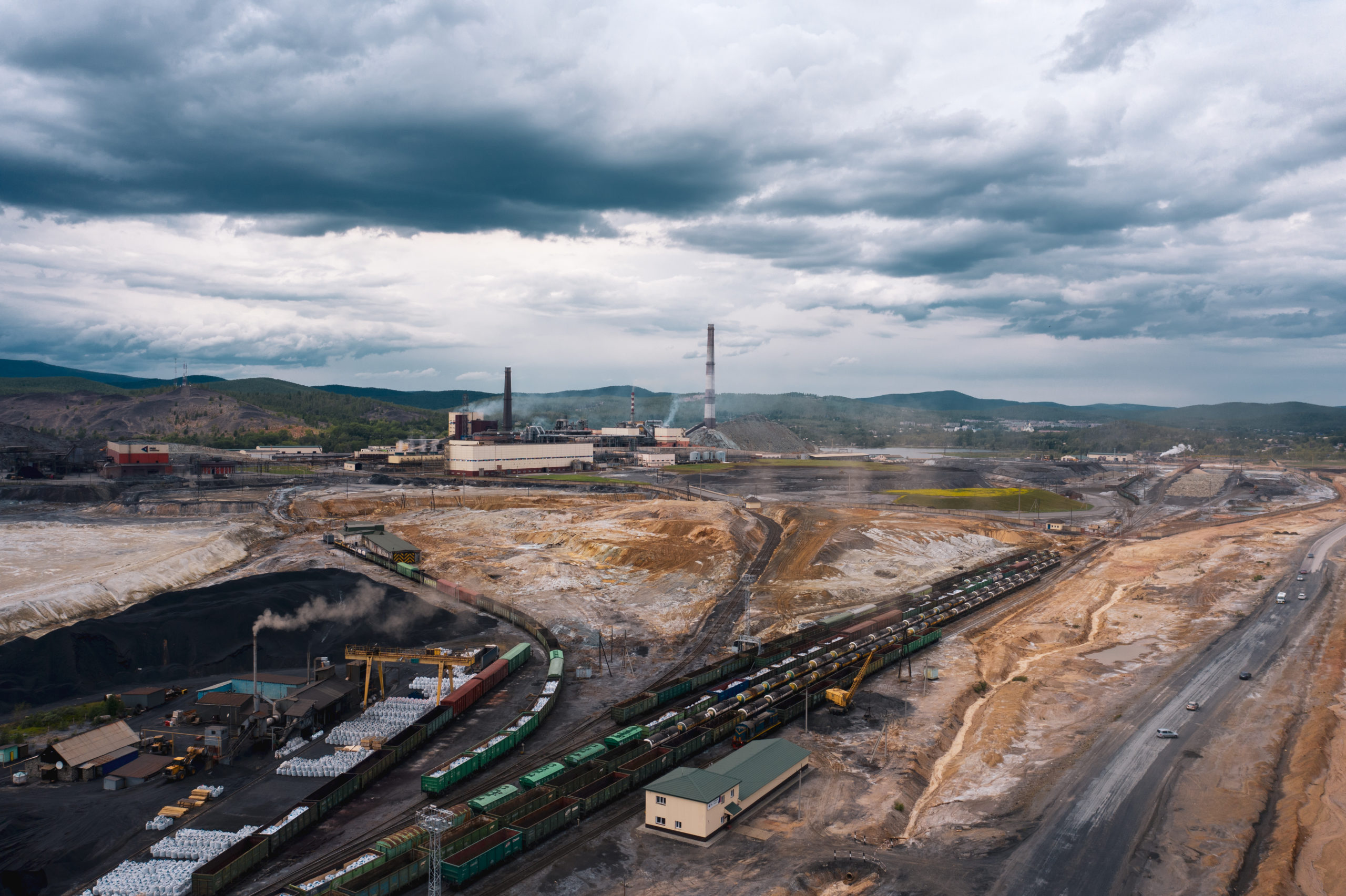
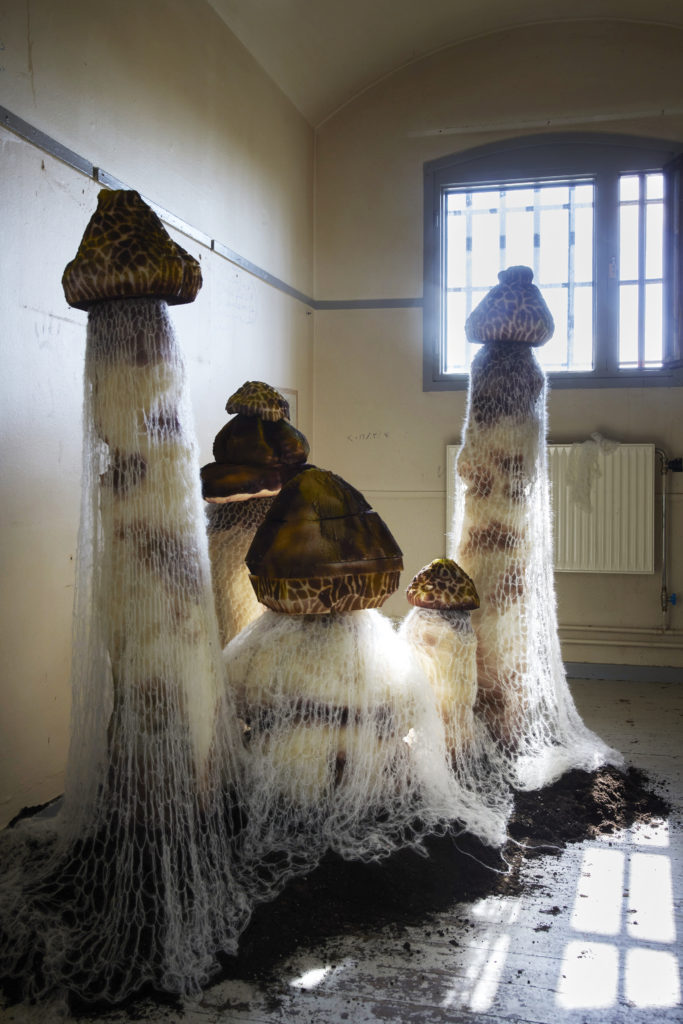
Annike Flo (NO) was the first SOILS artist in residence at NOBA, in May-September 2023, and continues to work with the SOILS team at the fieldwork site in the Pasvik Valley in Finnmark, Northern Norway. During her first fieldwork visits Annike was fascinated by the account from researchers at the Svanhovd research station of a puzzling scarcity of nematodes in their local soil samples. Are the microscopic worms affected by the rapid climate changes in the arctic, heavy metal contamination from the nickel smelter right across the border to Russia…or have they never been there in the first place? Starting from this question, Annike is developing the project Jærtegn focused on the presence/absence of the nematode, which she will bring back to haunt the Pasvik valley in largescale form.

A nematode sampling site in Pasvik, visited by Annike Flo and colleagues in August 2024. Photos: Nora S. Vaage.

Cecilia Jonsson (SE) is artist in residence at NOBA in September-November 2024 .

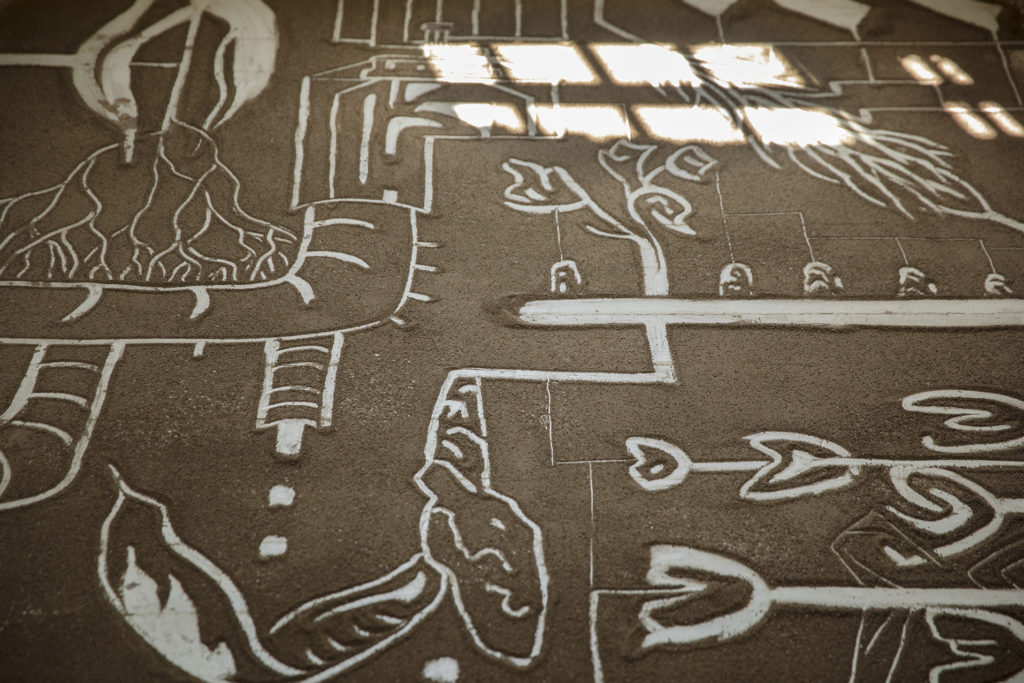
Image: Cecila Jonsson

For her residency, Jonsson will be collaborating with local scientists and researchers on campus, developing her artistic research project «The Toxins Color System» that explores the environmental consequences of historical mining at the Litlabø sulphur pyrite mines in southwestern Norway. The research project builds upon a larger series of previous works that highlight iron´s integral role in matter, fluids, life, and meaning.

B: The SOILS art exhibition 

This exhibition will be co-curated and hosted by NOBA, Vitenparken Ås in Autumn 2026, activating the kitchen garden “Vitenenga”, park and forest of Campus Ås as well as the Vitenparken´sexhibition venues. NOBA’s bioart approach will facilitate interactive engagement with audiences, through workshops in which the public is invited to work materially with soils as well as round table discussions and other activities.

C: The SOILS festival

Marking the end of the Anthropogenic Soils project in 2028, the SOILS festival will feature pop-up events, artworks and soil-oriented foods around the city of Oslo with satellites among our collaborators (at Ås, Kirkenes, Trondheim).

The material aesthetics of soil 

NOBA’s lead researcher Nora S. Vaage, team Noba led by curator Eli Skatvedt  and the artists in residence study the material aesthetics of soil and connect insights from this artistic work to the insights of stakeholders addressed in other parts of the SOILS project, to further understanding of the multispecies material-aesthetic interactions soil can engender. The practices of the enlisted arts will be integrated into the SOILS festival and actively used in communicating the project’s results. NOBA, Vitenparken Ås´ participation in the Anthropogenic Soils project inspired our long term soil theme (2022-26) which so far has resulted in two symposia (2022 and 2023) and the Sense of Soil exhibition (2024), as well as our upcoming program.

Methods

NOBA’s part of this project enlists artists in hands-on, soil-based projects, and produces philosophical reflections on the material aesthetics of soil as well as a number of other outcomes. Bringing earthly matters “up close and personal”, we seek to generate knowledge in material and experiential forms likely to engage the public. We develop a dissemination program of multisensory, immersive experiences in connection with the SOILS exhibition and festival that encourages publics to think through their relationships with soil and form new ones. 

Relating forests: The Cross-Border Art Project that Reimagines Humanity’s Bond with Forests (2025)

How can art play a key role to re-establish contact between humans and forests? This question is at the heart of this inter­disciplinary collective of European creatives, searching for new pathways inside European myths and Forest-landscapes.

‘relating forests’ is a transnational collaboration between TheatreFragile (Germany), Cultures Eco Actives (France) and NOBA (Norway), three European art institutions. Dedicated to the urgency of reshaping humanity’s relationship with the more-than-human-world in the face of climate change and the planet’s biodiversity loss, the artists integrate traditional European rituals and myths with contemporary artistic and scientific approaches to create a new awareness of ecological challenges and overcome anthropocentric perspectives. 

The project is co-funded by the European Union as part of Creative Europe.  

 European Tour 

The project; created by a diverse artistic team of storytellers, mask theatre makers, sound artists, choreographers and outdoor educators from Germany, France and Norway, sets out on a journey through European forests the summer of 2025. Premiering in the French region of Chateauroux Les-Alpes in May with workshops for local children; the team continues to Germany’s Detmold area in July, with interactive workshops in mask theatre, voice and field recordings. The project culminates in the forests of Ås, Norway in October 2025 where the team will explore narratives of native storytelling through wandering, listening, and present their findings. Travel is reduced to a minimum and preference is given to trains or buses. 


Audience Interaction 

Engaging with local audiences is key for the project. The artists are creating a variety of workshops for diverse audience members at each location. The workshops will be experiential, experimental and responsive, encouraging interdisciplinary and intercultural exchanges in different outdoor settings. 

The artists would like to host a diverse group of audiences and are keen on getting a sense of what they experience in these settings. The project team will facilitate tools along the way so that audiences can discuss their thoughts and ideas about their experiences. 

Through transformative experiences, the hope is that the project can assist in rethinking and resensitize human-forest relationships and narratives. The artists wants to open up people’s ideas to what we perceive or experience a forest or a landscape to be.  

 Credits ‘relating forests’ Norway 

Concept: Rebekka Sæter, Solveig Arnesen (NOBA) in collaboration with Marianne Cornil, Luzie 

Ackers / TheatreFragile and Anne-Claire Dromzee and Anne Bouchon (CEA) 

Artistic Director: Rebekka Sæter 

Visual Identity & Graphic Design: Raquel Marques 

Technical Management & Support: Geir Eilertsen 

Press & Marketing: Elina Gobeti


 About the partners  

Theatre Fragile (GER)explores critical societal issues through performative art, creating performances in public spaces that transform complex discourses about flight and exile, ageing, climate change, deforestation or environmental challenges into accessible, poetic visual experiences. Since 2006, the company has developed ten productions that have been performed across Germany and Europe, consistently pushing the boundaries of artistic expression by engaging directly with communities and experts from diverse fields. Recent works such as “Are You Ready?”, “How you call into the forest…” and the current creation “STILL” delve deeply into the emotional landscapes of environmental change, using different dramaturgical forms such as immersive forest parcours and multi-perspective narratives to explore human connections with natural ecosystems. Read more here. 

Cultures Eco Actives (FRA) experiments, studies, develops, promotes, and generates the awakening and strengthening of environmental awareness through art, cultural cooperation projects, experiments, and field studies in collaboration with its members. Cultures Eco Actives supports environmental responsibility, encourages reconnection with nature and landscapes, and investigates cultural contexts. Read more here. 

Funding 

‘relating forests’ is co-funded by the European Union. Views and opinions expressed are however those of the authors only and do not necessarily reflect those of the European Union and European Education and Culture Executive Agency (EACEA). Neither the European Union nor the granting authority can be held responsible for them. 

Jordsans – Vitenparkens første nærings-PhD ved Elise Matilde Malik (2023–2026)

Doktorgradsprosjektet Jordsans er Vitenparkens første nærings-PhD (2023-2026). I prosjektet skal ansatt ved Vitenparken, Elise Matilde Malik, utforske ulike måter å formidle matjord gjennom Vitenparken utstillinger. Doktorgraden er et samarbeid med Senter for museumsstudier og forskningsmiljøet tilknyttet miljøhumaniora ved Det humanistiske fakultet, Universitetet i Oslo.

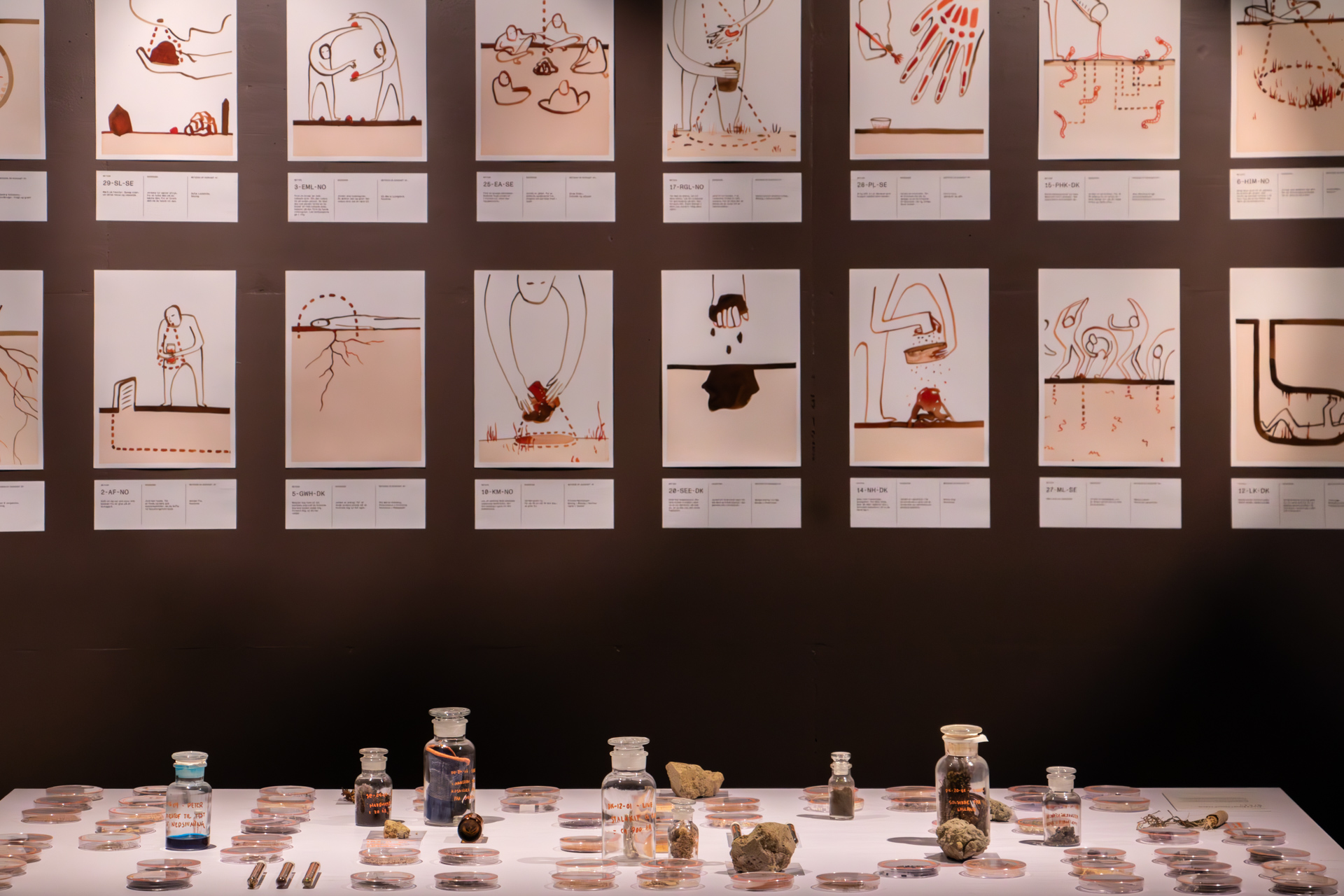
Detalj fra Maria Viftrup og Jordens hus sin utstilling Jordsans på Norwegian Bio Art Arena på Vitenparken, høsten 2024. Foto: Maria Viftrup.

Flersanselig kuratering av matjord i Vitenparkens utstillinger

Vi mennesker har radikalt endret jordas økosystemer og jordbruket har, i likhet med andre naturbaserte aktiviteter, fremskyndet den antropocene tidsalder som vi nå befinner oss i. Humanistisk forskning på miljø og klima, slik som naturvitenskapelig forskning, har potensiale for å fungere proaktivt og bidra med problemløsninger. Med dette prosjektet ønsker vi å bygge bro mellom miljøhumaniora og museologi ved IKOS, UiO, og Vitenparken Campus Ås, et viten- og opplevelsessenter for mat, miljø og klima.  

Prosjektets mål er todelt; 1) utforske Vitenparkens forskningsformidling og utstillinger om matjord gjennom aksjonsforskning basert på miljøhumanistiske perspektiver og sensorisk museologi og 2) foreslå løsninger for hvordan heve formidlingen av matjord gjennom multisensoriske utstillinger og opplevelser. 

Som en viktig del av prosjektet tar vi utgangspunkt i utsagnet “…we consider exhibitions as knowledge-in-the-making rather than platforms for disseminating already-established insights.” fra boken Exhibitions as research (Bjerregaard 2020). Prosjektet vil derfor utforske konseptet “utstilling som forskning” og munne ut i en utstilling, i tillegg til publikasjoner. Denne utstillingen vil deretter inngå i den større biokunst-utstillingen Experience Soils; humus, humans, hope, som er planlagt kuratert av Norwegian BioArt Arena (NOBA på Vitenparken) i 2025 som en del av forskningsprosjektet Anthropogenic Soils (ledet av U. Münster ved UiO).   

Detalj fra kunstverk av Maria Viftrup i utstillingen Rod/System, kuratert av Jordens Hus. Foto: Tine Bek.

Skal “sansevaske” Vitenparkens utstillinger

I Norge bruker vi halvannen milliard av skattepengene til museer og vitensentre årlig, men det finnes lite forskning innen sensorisk museologi på hvordan installasjoner og kunstverk fungerer på publikum. Det er derfor relevant å spørre seg; hvordan påvirker multisensoriske designelementer opplevelsen og hvordan kan narrativer opplevd gjennom sanser påvirke  utstillingsopplevelsen for å sikre at utstillingen og installasjonenes budskap når frem til publikum? (Hauan og Kolstø, Exhibitions as learning environments: a review of empirical research on students’ science learning at Natural History Museums, Science Museums and Science Centres.)

Jordbruket, bruk av jord, er vitenskapen, kunsten og praksisen med å kultivere de planter og dyr som vi skal spise. En livsviktig og verdensomspennende næringskjede som siden jordbrukets begynnelse har flettet sammen natur, kultur og teknologi. Hva har vel formet våre omgivelser mer radikalt enn jordbruket? Likevel oppleves matproduksjon, og ikke minst matjord, som et abstrakt begrep for mange. Forskning på planteproduksjon, husdyr og jord likeså. Viten- og opplevelsessentre, som Vitenparken Campus Ås, har tatt på seg oppgaven å heve allmennhetens forståelse for temaer som mat, miljø og klima. Hvilke grep kan gjøres for å heve publikums opplevelse og forståelse av matjord? Formidling og kommunikasjon av mat- og jordbruksforskningen i vitensentre burde «sansevaskes» for å gjenopprette et sterkere bånd mellom mennesker og mat.

Detalj fra Marika Seidler sitt kunstverk i utstillingen Jord/Liv, kuratert av Jordens Hus. Foto: Benita Marcusen.

Mer informasjon

Kontakt:
Elise Matilde Malik
elise@vitenparken.no

Instagram:
@meitemark1

Veiledere:

Brita Brenna
Professor i museologi
IKOS UiO

Hugo Reinert
Førsteamanuensis i miljøhumaniora
IKOS UiO

Alexandra R. Toland
Professor of Arts and Research
Director and Speaker, Ph.D. Programme in Art & Design
Bauhaus-Universität Weimar

Last ned hele prosjektbeskrivelsen.

Biokunst i videregående skole

Biokunst for videregående skole er et kunstformidlingsprosjekt hvor elevene lærer om kunst gjennom å lage kunst selv, under veiledning av en kunstner. Biokunst forener både naturvitenskap, etikk, filosofi, kunst, språk og samfunn, og dermed blir kunstformidlingen del av et tverrfaglig prosjekt. 

Prosjektet startet skoleåret 2020/-21, i samarbeid med VG1 utforskerklassen på Frogn videregående skole. Utforskerklassen er en klasse på studiespesialiserende studieretning. De jobber prosjektbasert, og har seks ulike, tverrfaglige prosjektperioder i løpet av året. Vitenparken har utviklet prosjektet i samarbeid med lærerne på Frogn vgs og kunstner Hege Tapio, som er tilknyttet Norwegian BioArt Arena (NOBA).

Elevene har utforsket biokunst gjennom deltakelse på biokunstsymposiet, opplæring og veiledning fra kunstnere og Vitenparkens pedagoger. Lærerne har også fått en innføring i biokunst, og har bygget opp undervisningen i prosjektperioden rundt det. Årets prosjekt ble lagt til temaet postapokalypse. Elevene har jobbet med å se for seg en apokalypse, og særlig fokusert på å se for seg hvordan verden kan gå videre etter at støvet har lagt seg.

Elevenes arbeider vil bli stilt ut på Vitenparken så snart vi kan åpne for besøkende igjen.

Vi har fått midler til å fortsette prosjektet gjennom skoleåret 2021/-22 og 2022/-23, samt å utvide prosjektet med en ny skole. Prosjektet et støttet av Sparebankstiftelsen DNB.

sparebankstiftelsen