Norwegian BioArt Arena, Vitenparken´s art department, is an artistic partner in the long term research project Anthropogenic Soils. Through the project we seek to explore the kinds of lively encounters and caring interactions that can take place among artists, scientists, soils and audiences. Norwegian BioArt Arena´s part in the projec is work package five: WP5 -Experimental Soils.
– How do we know, experience, and imagine soils in the Anthropocene?
– How can practices of soil care help us better understand and value the life beneath our feet?
– How do people across the planet recover unsustainable human-soil relationships?
People involved in the work package:
Project leader for WP5: Nora S. Vaage, Norwegian BioArt Arena – NOBA
Curator: Eli Skatvedt
Invited artists in residence: Annike Flo and Cecilia Jonsson
Coordinator: Elisa Malik, elise@vitenparken.no
Marketing and communications: Elina Gobeti, elina@vitenparken.no
The Anthropogenic Soils project is funded by the Norwegian Research Council, Large scale Interdisciplinary Researcher Project. Project number 325635.
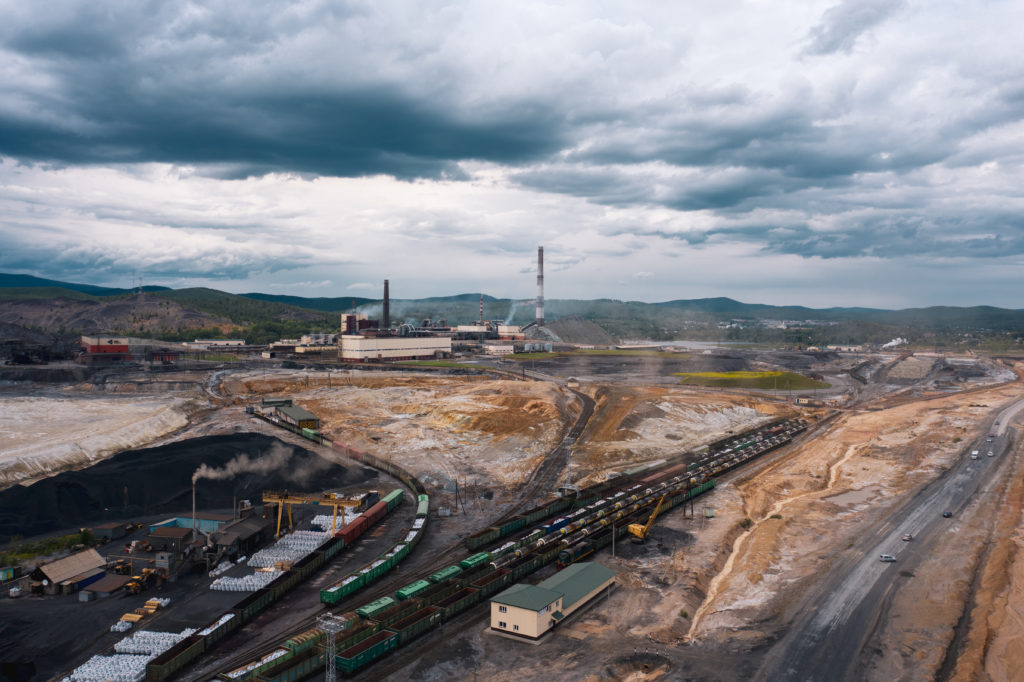
Anthropogenic Soils: Recuperating Human-Soil Relationships on a Troubled Planet (2022-2028) is a six-year, multidisciplinary research project led by Ursula Münster (Oslo School of Environmental Humanities) studying how people have invented, practiced, and imagined ways of recuperating contaminated, toxic, and depleted soils in different parts of the globe – from India and Kazakhstan to Norway and the Arctic. The project asks how artistic and trans-media practices offer alternative modes of relating to soils. How might we build possible futures of earthly survival?
Norwegian BioArt Arena´s part in the project (WP5 Experimental Soils) consists in investigating the material aesthetics and concept of soil through visceral means. We explore how art can work with and provide understanding of soil as multispecies assemblages. Through the SOILS art exhibition at Vitenparken Campus Ås (Autumn 2026) and the SOILS festival at various locations in Oslo and surrounding area (2028) we will bring together perspectives both within and beyond the project, emphasizing how soils and their various living critters can be visited with and reflected upon through sensorial, explorative, situated experiences.
Artists, both invited and selected through an open call, are encouraged to engage with, and draw inspiration from, the project’s research through participation in workshops, fieldwork and discussions. NOBA fascilitates:
A: Artists in residence
Annike Flo (NO) was the first SOILS artist in residence at NOBA, in May-September 2023, and continues to work with the SOILS team at the fieldwork site in the Pasvik Valley in Finnmark, Northern Norway. During her first fieldwork visits Annike was fascinated by the account from researchers at the Svanhovd research station of a puzzling scarcity of nematodes in their local soil samples. Are the microscopic worms affected by the rapid climate changes in the arctic, heavy metal contamination from the nickel smelter right across the border to Russia…or have they never been there in the first place? Starting from this question, Annike is developing the project Jærtegn focused on the presence/absence of the nematode, which she will bring back to haunt the Pasvik valley in largescale form.

Cecilia Jonsson (SE) is artist in residence at NOBA in September-November 2024 .

For her residency, Jonsson will be collaborating with local scientists and researchers on campus, developing her artistic research project «The Toxins Color System» that explores the environmental consequences of historical mining at the Litlabø sulphur pyrite mines in southwestern Norway. The research project builds upon a larger series of previous works that highlight iron´s integral role in matter, fluids, life, and meaning.
B: The SOILS art exhibition
This exhibition will be co-curated and hosted by NOBA, Vitenparken Ås in Autumn 2026, activating the kitchen garden “Vitenenga”, park and forest of Campus Ås as well as the Vitenparken´sexhibition venues. NOBA’s bioart approach will facilitate interactive engagement with audiences, through workshops in which the public is invited to work materially with soils as well as round table discussions and other activities.
C: The SOILS festival
Marking the end of the Anthropogenic Soils project in 2028, the SOILS festival will feature pop-up events, artworks and soil-oriented foods around the city of Oslo with satellites among our collaborators (at Ås, Kirkenes, Trondheim).
The material aesthetics of soil
NOBA’s lead researcher Nora S. Vaage, team Noba led by curator Eli Skatvedt and the artists in residence study the material aesthetics of soil and connect insights from this artistic work to the insights of stakeholders addressed in other parts of the SOILS project, to further understanding of the multispecies material-aesthetic interactions soil can engender. The practices of the enlisted arts will be integrated into the SOILS festival and actively used in communicating the project’s results. NOBA, Vitenparken Ås´ participation in the Anthropogenic Soils project inspired our long term soil theme (2022-26) which so far has resulted in two symposia (2022 and 2023) and the Sense of Soil exhibition (2024), as well as our upcoming program.
Methods
NOBA’s part of this project enlists artists in hands-on, soil-based projects, and produces philosophical reflections on the material aesthetics of soil as well as a number of other outcomes. Bringing earthly matters “up close and personal”, we seek to generate knowledge in material and experiential forms likely to engage the public. We develop a dissemination program of multisensory, immersive experiences in connection with the SOILS exhibition and festival that encourages publics to think through their relationships with soil and form new ones.